
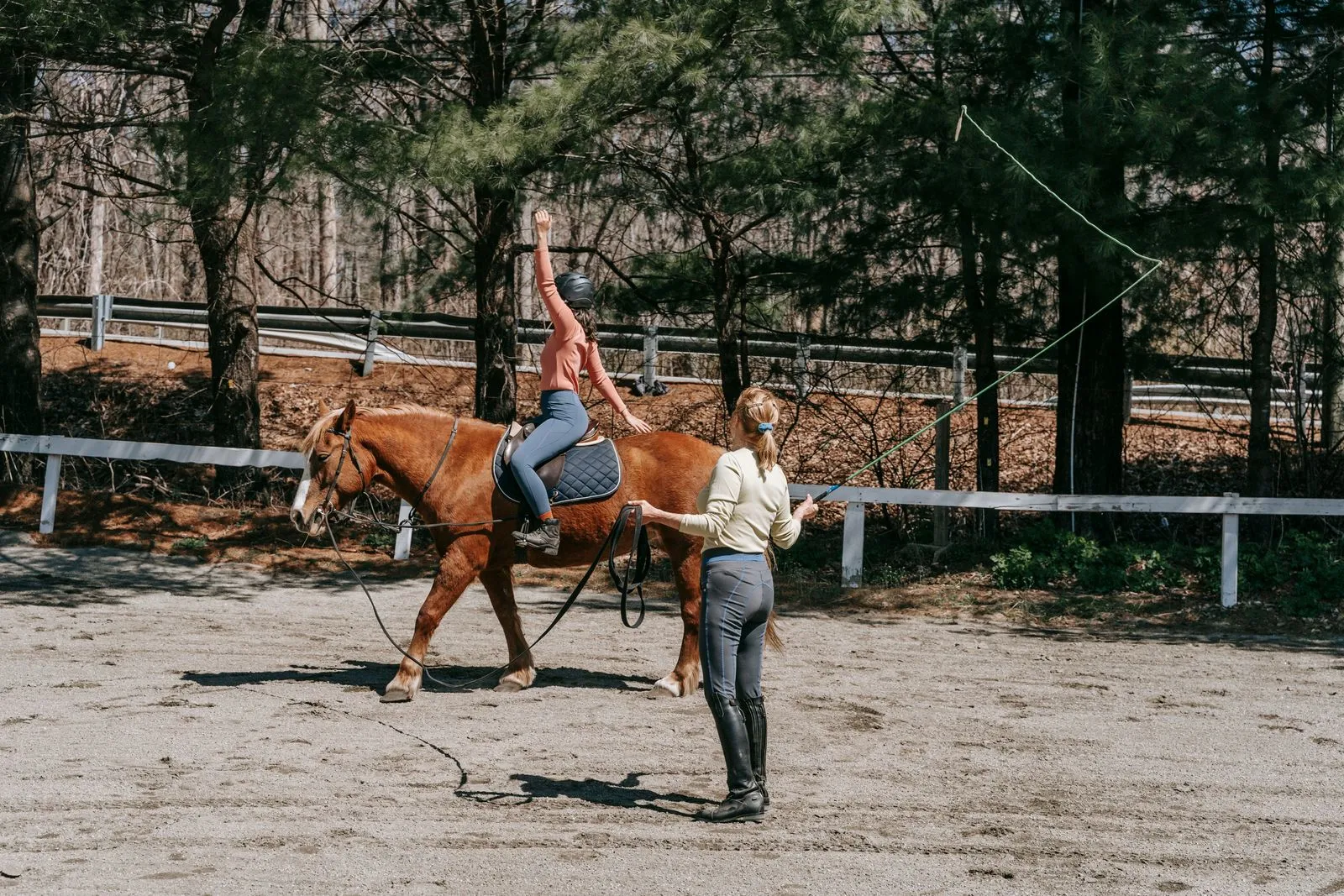
A first therapeutic riding session is a chance to get familiar with the setting, meet the team, and learn how the lesson will be adapted to the rider. It is normal to have questions about horses, equipment, communication, or mobility support. A little preparation can help everyone arrive feeling more at ease. Share useful information with the riding school ahead of time, bring comfortable clothing, and leave room for the rider to adjust to a new experience at their own pace.
Ask What the First Visit Includes
Before the session, ask whether the first visit includes an intake conversation, a tour, time with the horse, or riding. Programs differ, and an initial lesson may focus on introductions and comfort rather than a full ride. Confirm where to check in, when to arrive, and whether a caregiver should stay nearby. These details help you plan the visit without setting expectations the program cannot promise.
The instructor may ask about the rider’s experience with horses, goals, communication style, and relevant health or mobility considerations. They may also explain safety procedures and who will assist during the lesson. Encourage the rider to ask questions or express preferences. If speaking is difficult or the rider prefers another communication method, tell the team what works best.
Choose Practical Clothing
Wear long pants that allow comfortable movement and close-toed shoes with a small heel, such as sturdy boots. Avoid sandals, loose scarves, dangling jewelry, and clothing that could catch on equipment. The riding school may provide a helmet and other specialized equipment; confirm this in advance rather than buying anything for a first visit.
Victoria’s weather can change, so bring layers suited to the forecast. A light rain jacket or warm outer layer may be useful, but check with the program about what is safe to wear while riding. Tie back long hair and keep pockets free of items that could fall out. If the rider uses a mobility aid, bring it and ask where it can be stored during the lesson.
Share Support Needs Clearly
Tell the instructor about relevant support needs before arrival, including balance or transfer assistance, sensory sensitivities, allergies, seizure or emergency plans, and communication preferences. Share only information that helps the team plan a safe, comfortable session. Include what tends to help when the rider feels uncertain, such as extra time, a clear sequence of steps, or a familiar support person nearby.
Be specific about the kind of assistance that works. For example, explain whether the rider prefers verbal prompts, visual cues, or a pause before hands-on help. Mention any equipment the rider uses and whether transfers require particular techniques. The instructor can explain what the program can accommodate and what additional information or documentation may be needed before riding.
Arrive Ready to Adjust
Plan to arrive with enough time to check in and settle, while following the school’s arrival guidance. Bring any requested forms, emergency contact details, and water for before or after the lesson. Avoid feeding a horse unless staff say it is permitted. Keep phones and bags secured, and follow instructions around horses, gates, and equipment.
A rider may feel excited, cautious, or both. Let the instructor guide introductions and avoid pressuring the rider to touch or mount the horse. Caregivers can offer calm reassurance while allowing the rider space to build trust. After the session, share what felt comfortable or challenging and ask about next steps, including what to practice or prepare for a future visit.
A thoughtful first visit starts with clear communication, comfortable clothing, and realistic expectations. Ask the riding school about its process, share the support that helps the rider participate, and let the instructor guide the pace. Contact Harbourlight Riding to discuss questions and confirm what to bring before your first session.